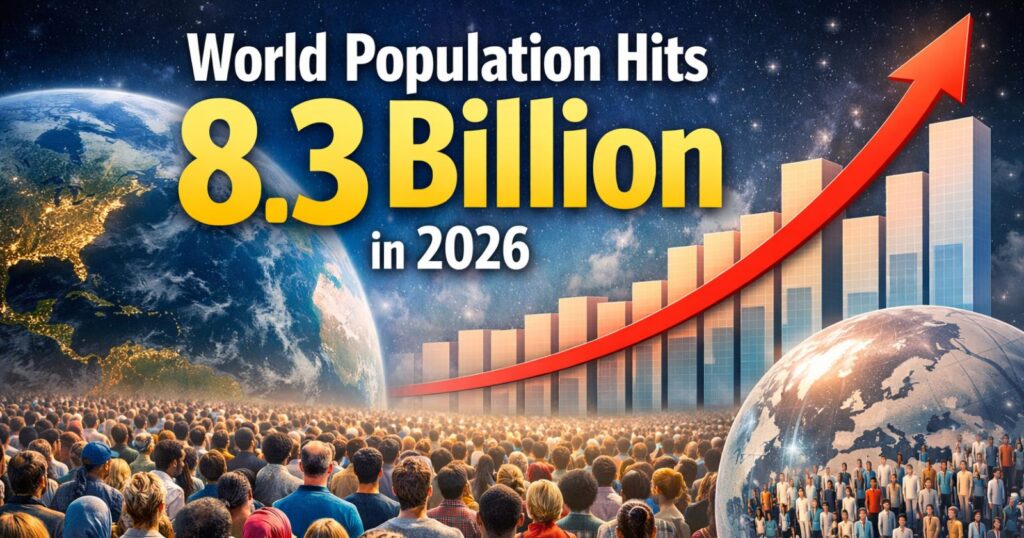

There is no scientific consensus on a single ideal population figure. Estimates range from 2 billion, based on high consumption Western lifestyles, to over 10 billion, based on efficient resource use and plant based diets. Most mainstream demographic and environmental studies place a sustainable range between 8 and 10 billion, close to current global population of roughly 8.2 billion.
There is no single agreed number for the ideal population of Earth, but most scientific estimates place sustainable capacity between 8 and 10 billion people under efficient resource management. The question matters because it shapes policy debates on climate change, food security, and economic planning.
Key Takeaways
- Estimates of Earth’s ideal population range from 2 billion to more than 10 billion.
- The range depends primarily on assumed consumption levels, not just headcount.
- Current world population of 8.2 billion sits within most sustainable range estimates.
- The UN projects population will peak near 10.3 billion around the 2080s.
- Lower consumption diets and renewable energy expand estimated carrying capacity.
- No single organization sets an official “ideal population” figure.
- Population distribution and urban planning matter as much as total numbers.
Understanding the Concept
Ideal population refers to a theoretical number of people Earth could support indefinitely while maintaining a reasonable standard of living without depleting resources. This differs from carrying capacity, which is the maximum sustainable population under given conditions. A common misconception is that these figures are fixed. In reality, they shift based on technology, diet, and energy sources.
Global Overview
Historical estimates of ideal population have varied enormously since the 18th century. Early estimates by economists focused narrowly on food production. Modern estimates incorporate energy use, freshwater availability, and carbon emissions, producing a much wider and more nuanced range of figures.
Latest Statistics
| Estimate Basis | Estimated Ideal Population |
|---|---|
| High consumption Western lifestyle | 2 billion |
| Average global lifestyle today | 8 to 9 billion |
| Efficient resource use, plant based diet | 10 to 12 billion |
| Current actual population (2024) | 8.2 billion |
| UN projected peak population | 10.3 billion around 2080s |
Source: Academic sustainability research and UN World Population Prospects 2024.
Main Causes Behind Differing Estimates
Estimates differ due to assumptions about diet, energy sources, technology adoption, and acceptable standard of living. Studies assuming heavy meat consumption and fossil fuel reliance produce lower ideal population figures than studies assuming efficient, plant forward, renewable based systems.
Positive Effects of Defining a Sustainable Range
Establishing a sustainable population range helps guide climate policy, agricultural planning, and urban development, encouraging efficient resource allocation rather than unchecked growth.
Negative Effects of Fixating on a Single Number
Overemphasis on a single ideal population figure can obscure the real issue of unequal consumption, leading to misplaced blame on population size in developing nations rather than high consumption in wealthy nations.
Economic Impact
A population near the higher end of sustainable estimates supports larger labor markets and economies of scale, while very low population targets could shrink workforces, tax bases, and long term economic growth.
Social Impact
Discussions about ideal population influence family planning policy, education investment, and healthcare systems. Countries with populations well below replacement level face different social pressures than rapidly growing nations.
Environmental Impact
The environmental footprint of population depends heavily on per capita consumption. A smaller population with high consumption can strain resources more than a larger population with efficient, low impact lifestyles.
Regional Comparison
| Region | 2024 Population | Consumption Level |
|---|---|---|
| North America | 380 million | High |
| Europe | 745 million | High |
| Asia | 4.8 billion | Moderate |
| Africa | 1.5 billion | Low |
| South America | 435 million | Moderate |
| Oceania | 45 million | High |
Country Comparison
The United States, with high per capita consumption, would require a much smaller ideal population than India, where per capita resource use is significantly lower. Germany illustrates how high income, low population growth nations can maintain high living standards near replacement-level fertility.
Future Outlook
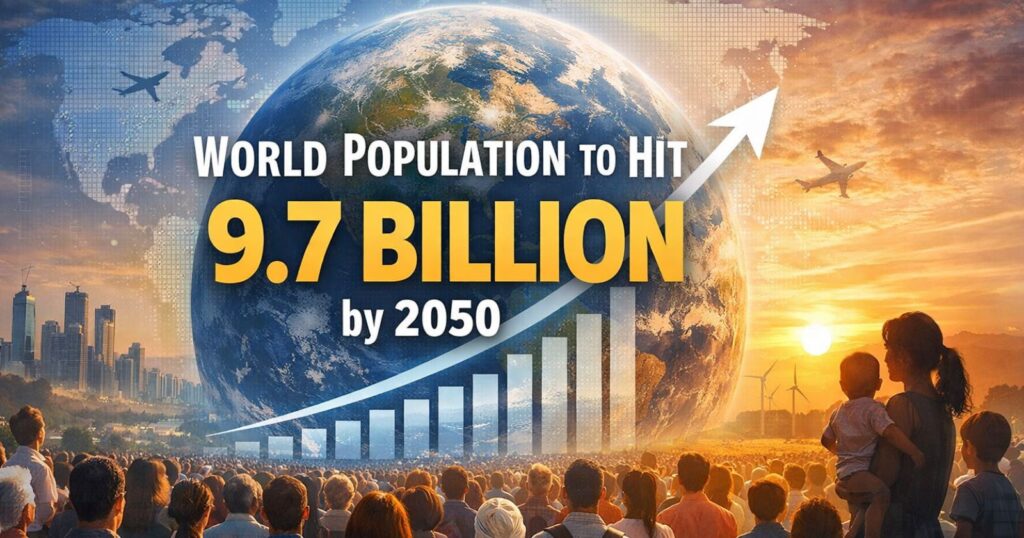
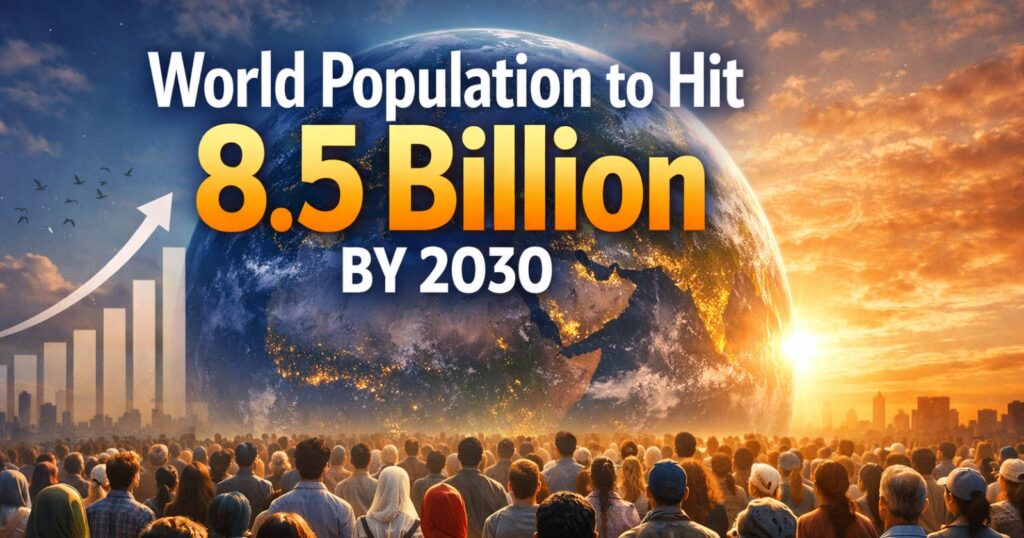
By 2030, world population is projected to reach approximately 8.5 billion, still within most sustainable estimates. By 2050, projections point to 9.7 billion. By 2100, UN scenarios range from 9 to 11 billion, meaning the world may test the upper boundary of some ideal population estimates within this century.
Common Myths
| Myth | Fact |
|---|---|
| There is one official ideal population number | No single authoritative figure exists |
| Ideal population is always lower than current population | Many estimates exceed current global population |
| Reducing population automatically improves sustainability | Consumption patterns matter as much as numbers |
| Only developing nations affect ideal population estimates | High consumption countries have outsized impact |
| Ideal population has stayed constant over time | Estimates have shifted significantly with technology |
| Smaller population always means better quality of life | Economic and social factors also determine wellbeing |
| Scientists agree on carrying capacity | Estimates vary widely across studies |
| Ideal population ignores diet and energy use | These are central variables in most models |
| The world has already exceeded ideal population | Current population remains within most estimated ranges |
| Population targets can be set like quotas | Population change results from individual choices, not quotas |
The United Nations avoids endorsing a single ideal population figure, focusing instead on sustainable development goals. The World Bank emphasizes resource efficiency over population targets. Academic researchers, including ecological economists, generally agree that consumption patterns matter more than raw population numbers in determining sustainability.
Conclusion
The ideal population for Earth is not a fixed number but a moving target shaped by consumption, technology, and policy choices. Current global population of roughly 8.2 billion falls within most sustainable estimates, though the range narrows or widens depending on lifestyle assumptions. The practical takeaway is that sustainability depends less on limiting population and more on improving how resources are used and shared.
Frequently Asked Questions
What is the ideal population for Earth?
There is no single agreed figure. Estimates range from about 2 billion under high consumption assumptions to over 10 billion under efficient, low consumption models.
Is current world population sustainable?
Most research suggests current population of roughly 8.2 billion remains within sustainable limits if consumption patterns improve.
Who decides the ideal population number?
No global authority sets this figure. It emerges from academic research combining ecological, economic, and social factors.
Does ideal population depend on lifestyle?
Yes. Consumption levels, diet, and energy use significantly shift estimated sustainable population size.
Can Earth support 10 billion people?
Many studies suggest Earth can support 10 billion or more under efficient resource use and reduced waste.
Why do estimates vary so widely?
Different studies use different assumptions about technology, diet, and acceptable living standards, producing a wide estimate range.
Is population size the main driver of climate change?
Consumption and emissions per capita matter more than population size alone in most climate models.
Does the UN set an ideal population target?
No. The UN focuses on sustainable development rather than a fixed population target.
How does diet affect ideal population estimates?
Plant based diets generally support higher sustainable population estimates due to lower land and water requirements.
Will population reach the upper estimate range?
UN projections suggest population could approach 11 billion by 2100 under certain fertility scenarios.